Book Launch Without Email List Practical Plan for Sales
REQUIRED STRUCTURE (IN THIS EXACT ORDER)
Book launch without email list: How to get sales and reach readers without a newsletter
Estimated reading time: 7 minutes
Key takeaways
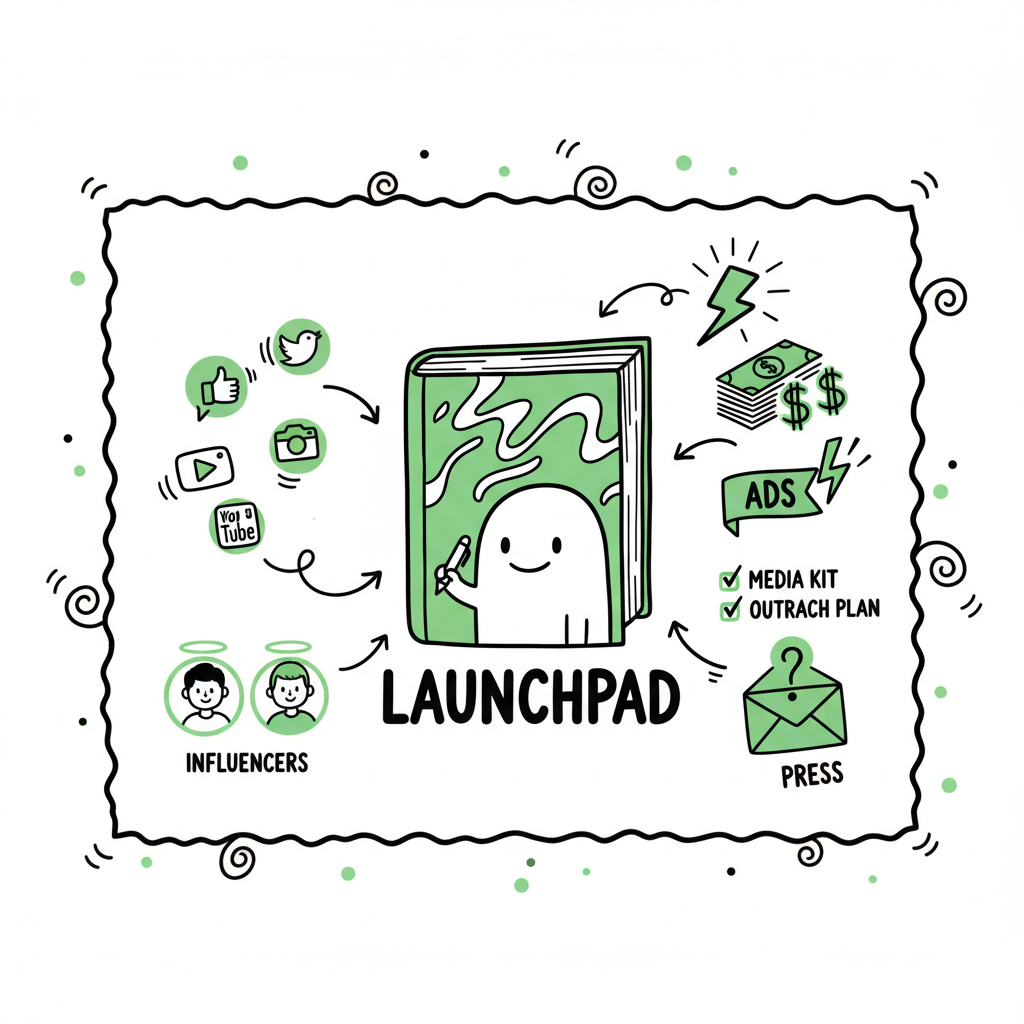
- You can launch a book without an email list by using personal outreach, targeted influencers, and paid promotions.
- Prepare platform-ready files, a compact media kit, and a short outreach plan to convert contacts into early sales.
- Making multi-platform publishing repeatable with the right tools saves time and reduces friction.
Table of Contents
- Why a book launch without email list works
- A practical launch plan (step-by-step)
- Distribution, formatting, and platform tips
- Final thoughts
- FAQ
Why a book launch without email list works
You do not need a newsletter to get traction. A book launch without email list focuses on people and platforms that already have attention. That means tapping friends, colleagues, niche bloggers, podcast hosts, reviewers, and paid discovery channels—then turning each small win into measurable visibility.
If you prefer a compact reference while planning, read our Book Launch Strategy Practical Guide for a clear framework that fits this approach. Early outreach converts better when it’s personal and specific. A single informed mention on a niche blog or a podcast slot for your exact genre can produce more sales than a broad but cold email blast.
A practical launch plan (step-by-step)
Start with the essentials. You want a simple repeatable plan that anyone can run in a weekend and reuse for future books.
1. Define your targets
- Identify five groups who can move copies: personal contacts, readers in genre Facebook groups, reviewers who accept indie submissions, small genre blogs, and one paid channel (Amazon ads, BookBub, or Facebook).
- Pick the two most reachable groups and focus effort there.
2. Build a one-page media kit
- Include a short author bio, a book blurb, 2–3 review quotes or endorsements, a 100–150 word pitch for podcasts, and a clear call to action (buy now / sample chapter).
- Make files ready for upload: a formatted ebook and a print-ready PDF.
3. Personal outreach, not broadcast
- Send short, specific messages to people who know you. Remind them how you met, say why the book fits their audience, and offer a ready-made social post or quote they can reuse.
- For strangers (reviewers, bloggers), lead with relevance: “I noticed you cover X; my book on Y will fit your readers because Z.”
4. Use targeted paid promo to amplify
- Run a short, tightly targeted ad or a low-cost BookBub Featured Deal if affordable. Even small budget campaigns, if targeted by interest and comparable titles, can produce the early sales velocity you need.
5. Convert early momentum into visibility
- Encourage early readers to leave reviews and share screenshots. Each small proof point helps Amazon and other retailers surface your book for similar readers.
Distribution, formatting, and platform tips
Make distribution simple and repeatable so you can focus on outreach, not file wrangling.
1. Prepare platform-ready files
- Create a clean EPUB for ebook stores and a print-ready PDF for paperback. If you need a reliable EPUB conversion, use a tested tool like an EPUB converter to avoid errors and rejections.
- Design or commission a clear, genre-appropriate cover. If you want an automated option, try a book cover generator to speed the process and get consistent results across editions.
2. Choose the right platforms
- Use KDP for Amazon, Apple Books, Kobo, Draft2Digital (or a distributor) for other retailers, and Ingram for wide print distribution. Publishing everywhere increases discoverability without requiring extra marketing time.
- For authors publishing multiple books, batch uploads are a force multiplier. A CSV batch upload can push dozens of titles across stores in a few steps.
3. Make repetitive work repeatable
- When you’re ready to scale, move formatting and uploads into a repeatable flow. A tool that supports unified multi-platform publishing can cut the time spent on each title by about 90% through CSV batch uploads and platform-specific intelligence. It reduces errors, applies store rules automatically, and makes wide distribution practical.
- A solid approach saves time, reduces rejections, and helps you publish frequently with less friction. Set up the upload process and own the distribution.
4. Pricing and promotions to consider
- Consider a short free or discount launch window to build reviews. Use targeted promotions rather than broad price drops.
- For paid ads, start small and measure cost per acquisition. For low-budget launches, focus on hyper-targeted placements where ROI is clearer.
5. Practical outreach templates (short examples)
- Friend or colleague: “Hi [Name], I just published a short [genre] book that I think you’ll like. If you have two minutes, could you check the sample and, if it resonates, share it with one person who reads [genre]? Here’s a shareable blurb.”
- Blogger/podcast: “Hi [Name], I write [book topic] and noticed you cover [related topic]. My new book gives three practical steps readers can use right away. Would you consider a short feature or 10-minute interview?”
Final thoughts
A book launch without email list is not a magic shortcut. It’s an operational approach: limit scope, pick channels that move counts, and remove friction from the publication side so outreach converts. Clear files, a compact media kit, and personal messages beat scattershot tactics. When you publish more than one title, invest in tools that manage distribution across Amazon KDP, Kobo, Apple Books, Draft2Digital, and Ingram—those tools turn an occasional release into a sustainable publishing rhythm.
FAQ
Q: Can I get a bestseller without an email list?
A: Yes, but it’s rare. Success without a list depends on tight targeting, strong early reviews, and one or two paid or earned boosts. Niche audiences and influencers often outperform general audiences.
Q: How many early reviews do I need?
A: Aim for a handful (10–30) of genuine reviews in the first weeks. They signal quality to algorithms and readers.
Q: Should I give away free copies?
A: Giveaways can help when targeted—send free copies to reviewers, bloggers, and influencers who match your genre. Avoid broad free campaigns that don’t target likely readers.
Q: Will adding links in the body hurt my control?
A: No. The right linking preserves control while providing helpful context. It enforces platform rules and reduces mistakes.
Q: Is it possible to succeed without an email list in today’s market?
A: Yes, with careful targeting, credible early reviews, and smart use of paid or earned boosts. The approach works best when it connects with readers where they already are.
Sources
- A Book Launch Plan for First-Time Authors Without an Online Presence
- Book Launch Framework: How I Keep Launching Bestselling Books
- 5 Effective Book Launch Strategies Without Feeling Overwhelmed
Visit BookUploadPro.com and try the free trial.
REQUIRED STRUCTURE (IN THIS EXACT ORDER) Book launch without email list: How to get sales and reach readers without a newsletter Estimated reading time: 7 minutes Key takeaways You can launch a book without an email list by using personal outreach, targeted influencers, and paid promotions. Prepare platform-ready files, a compact media kit, and a…