Book launch pacing timeline and practical checklist
Book launch pacing
Estimated reading time: 9 minutes
Key takeaways
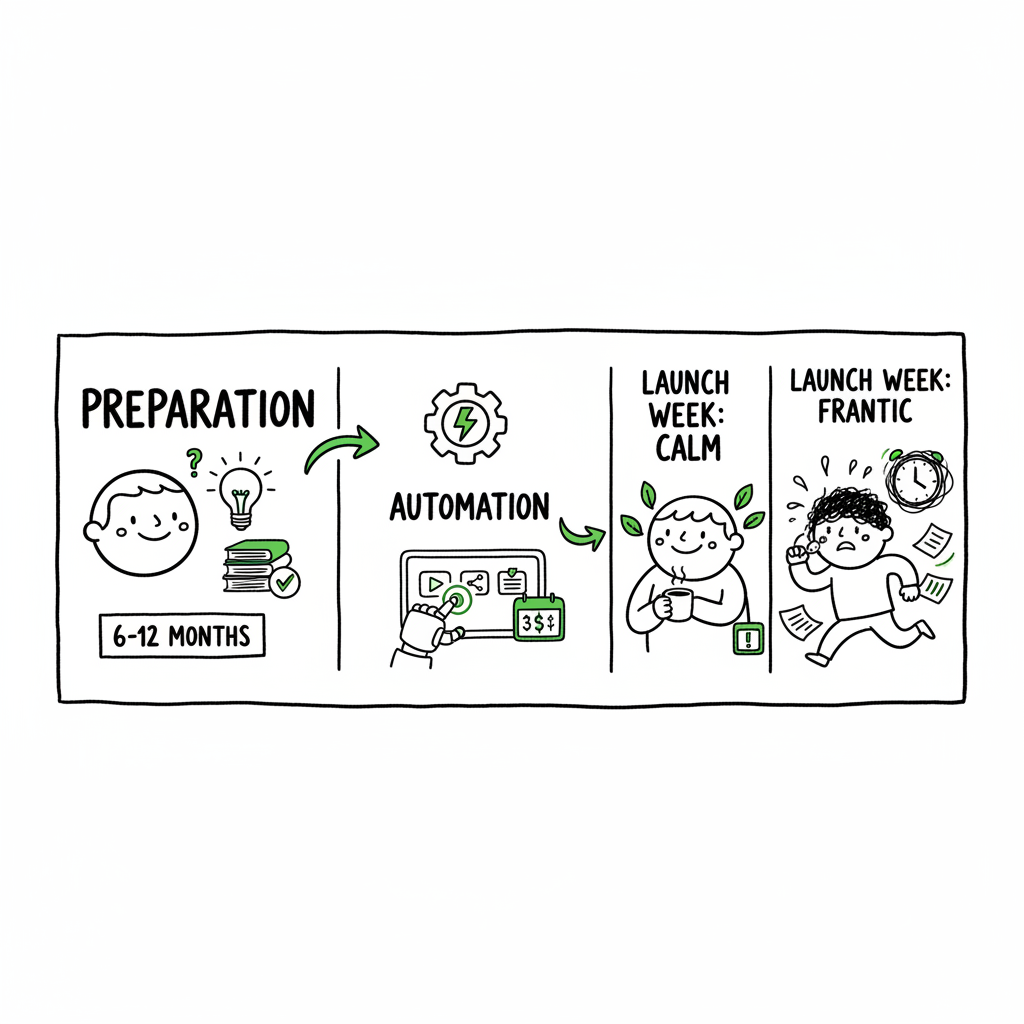
- A paced launch is a timeline problem: most impact comes from steady pre-launch work, not a frantic final week.
- Plan 6–12 months when possible; compress to 3–6 months only with clear trade-offs and tighter scope.
- Use process automation for repetitive publishing tasks—CSV batch uploads and platform-aware checks save time and reduce errors.
Table of Contents
- Why pacing matters
- A practical book launch pacing timeline
- Using automation to keep your pacing on track
- FAQ
- Sources
Why pacing matters
A successful book launch is rarely the result of a single big push. Book launch pacing is about structuring work so anticipation grows, distribution is ready, and early sales signals are clean. The smartest launches put 70–80% of effort into pre-launch activities: audience building, assets, and distribution checks. That leaves launch week for visibility, conversion, and momentum.
Start with a clear, measurable goal—first-week ranking, number of pre-orders, or targeted media hits—and reverse-engineer the timeline. If you want a tactical checklist to shape that timeline, see Book Launch Strategy Practical Guide. Early planning helps you avoid last-minute mistakes like missing retailer lead times or uploading inconsistent files.
A practical book launch pacing timeline Below is a practical timeline that fits most indie and hybrid authors. Use it as a framework and adapt to genre, budget, and how many titles you publish a year.
6–12 months out (big-picture + audience)
- Define the goal. What does a successful launch look like in 30/90/365 days?
- Research timing. Avoid competing releases and align with seasonal buying patterns for your genre.
- Build foundations: website, mailing list, and a content plan to attract your target readers.
- Start cover and interior design concepts so you’re not rushing assets later.
3–6 months out (content and distribution)
- Finalize manuscript and prepare files for ebook and print.
- Create promotional assets: back cover copy, author bio, media kit, sample chapters, and ARC distribution plan.
- Plan events: virtual launch party, newsletter swaps, and targeted outreach to bloggers/podcasters.
- Set up pre-orders and check each retailer’s lead time and metadata needs.
If you need to generate your ebook or paperback files, use a reliable EPUB conversion early. When you convert to final formats, confirm trim sizes, ISBNs, and proof copies are correct before wide distribution.
1–2 months out (visibility and partnerships)
- Open pre-orders, schedule social posts, and line up launch week promotions.
- Send ARCs to reviewers and influencers; build genuine relationships rather than bulk blasting.
- Prepare email sequences for launch week and early reviews solicitation.
Launch week (execution)
- Be visible across channels you control (email, social) and in channels you rent (groups, podcasts).
- Use timed reminders, giveaways, and direct asks to early readers to post reviews.
- Monitor sales and rankings, but don’t overreact to daily noise. Use data to support the next steps.
Post-launch (momentum)
- Keep marketing: guest posts, serialized content, and newsletter updates.
- Reinvest any early revenue into targeted ads or promotions that proved effective.
- Review metrics and capture lessons for the next title.
Compressed timeline option: 3–6 months
Not everyone has 6–12 months. A focused 3–6 month plan can work if you:
- Narrow goals (e.g., get 500 pre-orders instead of wide media coverage).
- outsource or automate routine tasks.
- Limit the number of promotion channels to what you can sustain.
Using automation to keep your pacing on track
When you publish seriously—multiple titles a year—manual uploads and repetitive checks become the single biggest time sink. Automation changes that math: CSV batch uploads, platform-specific intelligence, and error reduction free time for strategy and audience work.
BookUploadPro automates uploads across Amazon KDP, Kobo, Apple Books, Draft2Digital, and Ingram. It handles CSV batch uploads, applies platform-aware defaults, and flags common metadata errors before they reach retailers. For authors scaling beyond one book, that’s an obvious upgrade: it makes wide distribution practical and cuts repetitive work by roughly 90%.
A note on cost and scale
Automation is especially valuable when you publish more than one title a year. Affordable pricing and a free trial let you test the workflow without committing upfront. For authors looking to publish seriously, the time savings and error reduction typically pay for the service in the first few releases.
Production specifics to schedule early
- Cover and interior approval windows
- Proof copies and retailer proofing times
- ISBN and barcode registration
- Pre-order activation dates
If you plan to produce both ebook and print, make sure your ebook conversion is completed before you set a pre-order date—this avoids last-minute format issues and mismatched metadata that confuse retailers and readers. A reliable conversion workflow helps you create an ebook and print-ready files in parallel without delay.
Final thoughts
Book launch pacing is about discipline and trade-offs. Most launches succeed because of steady, phased preparation rather than frantic final pushes. Start with a clear goal, choose a timeline that fits your resources, and automate the routine tasks that steal time from promotion and audience-building. When you’re ready to scale, unified multi-platform publishing and batch uploads make repeated launches manageable and measurable.
FAQ
How long should my pre-launch period be?
Aim for 6–12 months for most nonfiction and serious indie projects. If constrained, a focused 3–6 month plan can work but requires tighter scope and more outsourcing.
What are the most important pre-launch activities?
Build an email list, finalize cover and files, set up pre-orders, and line up targeted outreach (reviewers, bloggers, podcasts).
Can I compress a launch and still get results?
Yes, but expect trade-offs. Compressing the timeline usually means fewer channels, smaller outreach, and tighter promotion windows. Be realistic about what you can maintain.
How does automation affect launch pacing?
Automation shortens production and upload timelines, reduces errors, and frees you to spend more time on marketing and relationships.
What metrics should I track during launch?
Track pre-order numbers, early reviews, conversion rates, and rank momentum to guide adjustments for the rest of the launch window.
Is automation essential for multiple titles?
For authors releasing more than one title per year, automation is highly beneficial to keep production aligned and scalable.
Sources
- Maximizing Your Book Launch: Strategies for Creating Buzz
- How to Plan a Book Launch: Step-by-Step Guide | Blurb Blog
- 5 Powerful Book Launch Strategies Every Nonfiction Author Should …
- Book Launch Strategy To Get Real Sales! – YouTube
Book launch pacing Estimated reading time: 9 minutes Key takeaways A paced launch is a timeline problem: most impact comes from steady pre-launch work, not a frantic final week. Plan 6–12 months when possible; compress to 3–6 months only with clear trade-offs and tighter scope. Use process automation for repetitive publishing tasks—CSV batch uploads and…