Launch Stacking Techniques for Multi-Platform Book Releases
Launch Stacking Techniques: A Practical Approach to Multi-Platform Book Releases
Estimated reading time: 9 minutes
Key takeaways
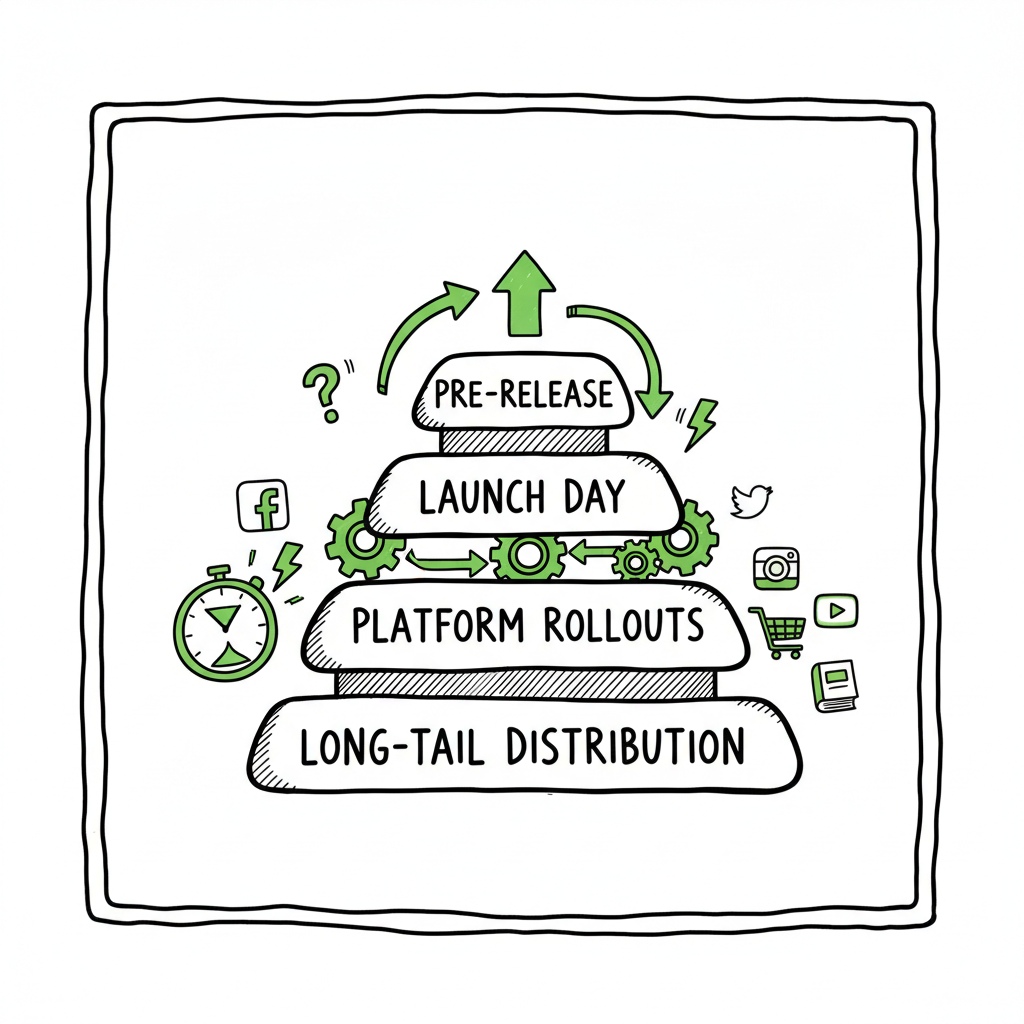
- Treat a book release as a stack of linked mini-launches: pre-release, launch day, platform rollouts, and long-tail distribution.
- Build assets and timing so each release layer supports the next; automation removes repetitive uploads and reduces errors.
- Use unified multi-platform publishing and CSV batch uploads to save time, avoid platform-specific surprises, and make wide distribution practical.
Table of Contents
- Why launch stacking techniques matter for authors
- A practical launch-stack approach for authors
- Building the stack: assets, formats, and timing
- Using automation to scale your launch stacks
- FAQ
Why launch stacking techniques matter for authors
Launch stacking techniques are a way to organize multiple, timed release actions so each step helps the next. For self-publishing authors, that means thinking beyond a single “publish” button and designing a sequence: early reader outreach, simultaneous uploads to Amazon KDP and other stores, targeted price promotions, audiobook and paperback rollouts, and long-tail cataloging with distributors. When these actions are stacked and timed, you reduce wasted effort, avoid conflicting metadata, and get the maximum benefit from each promotional push.
A practical launch-stack approach for authors
Start by mapping the stack: what you will release, when, and where. A simple stack for a typical title looks like this:
- Layer 1: Manuscript finalization and interior formatting.
- Layer 2: Cover, metadata, categories, and descriptions.
- Layer 3: Ebook uploads to stores and distributors.
- Layer 4: Paperback and print-on-demand setup.
- Layer 5: Audiobook and long-tail distribution (Ingram, aggregators).
Each layer locks in assets the next layer needs. For example, finalized metadata is essential before scheduling paid ads or enrolling in programs. If you want a repeatable process, document the timing and deliverables for every title.
When you’re ready to turn that process into action, a Book Launch Strategy Practical Guide is helpful for sequencing promotions and avoiding the most common mistakes. This kind of guide fits naturally into a launch stack: it tells you which layers to prioritize and how to schedule them so your charting, discoverability, and long-term sales all improve.
Building the stack: assets, formats, and timing
Assets are the elements you stack: formatted EPUB and MOBI, print-ready PDF for paperback, cover files, back-matter, description blurbs, and sample chapters. Some practical notes from operating many launches:
- EPUB and conversion: Get a validated EPUB early. Converting late creates delays; test the EPUB on major readers to avoid rework. For efficient conversion, use a dedicated EPUB converter to speed validation and reduce formatting errors.
- Covers: Your cover must work as a thumbnail and a printed jacket. Build final cover art early so it’s ready for every store’s spec. If you need a fast option to produce and process a cover, a book cover generator can speed that step without sacrificing quality.
- Papers and ebooks: Treat paperback specs and ebook files as separate assets. Create both early, since print proofs and barcode/ISBN setup take time and sometimes require revision. If you are automating bulk title creation, reliable book creation tools reduce manual errors and speed the batch publishing.
- Timing: Stagger uploads to avoid platform throttles. Upload files and metadata to stores first, then schedule promotional actions (price changes, ads, newsletter sends). For multi-title projects, use CSV batch uploads to push many titles through the same pipeline and keep release windows aligned.
Using automation to scale your launch stacks
When you publish more than one or two titles a year, manual uploads become the bottleneck. Automation makes launch stacking practical at scale. The benefits from operating automation are straightforward:
- Unified multi-platform publishing removes repetitive logins and manual copy/paste between KDP, Kobo, Apple Books, Draft2Digital, and Ingram.
- CSV batch uploads let you push hundreds of titles with consistent metadata and file associations.
- Platform-specific intelligence reduces errors by validating field rules and file specs before upload.
- The combination yields roughly 90% time savings on repetitive tasks and fewer rejections or mismatched metadata.
Systems like BookUploadPro automate those steps so teams and solo authors can maintain consistent stacks across platforms. Automate the upload. Own the distribution.
Common operational tips
- Validate each layer before moving to the next. If your EPUB fails validation, pause the stack and fix it rather than pushing broken files across stores.
- Keep a single source of truth for metadata (a spreadsheet or CSV) and use it to populate every platform.
- Use proofs and soft launches. A short, controlled release helps catch issues before a full marketing push.
- Track ISBNs, ASINs, and distributor IDs in your stack so you can correlate sales and troubleshoot errors.
FAQ
Q: What is the minimal stack for a single-title launch?
A: Final manuscript + cover + validated EPUB + store metadata + paperback file if you’re doing print. Upload those first, then schedule promotions and cataloging.
Q: Can launch stacking work for series releases?
A: Yes. Use the series to your advantage by coordinating metadata and release windows so series page links and reader experiences stay consistent across platforms.
Q: Will automation handle platform-specific rules?
A: Good automation tools include platform-specific intelligence that validates assets and flags field mismatches before upload, reducing rejections and the need for manual fixes.
Q: How do I manage multiple titles at once?
A: Use CSV batch uploads and a clear stack schedule. Automate the repetitive uploads and keep one central spreadsheet for metadata and file paths.
Q: Should I use CSV batch uploads for multi-title launches?
A: Yes. CSV batch uploads let you push hundreds of titles with consistent metadata and file associations.
Final steps
If you publish regularly, structured launch stacks make the work predictable and repeatable. Automation turns a messy set of manual uploads into a reliable pipeline that saves time and reduces costly mistakes. When you bundle good processes—proper EPUB conversion, strong cover files, and batch publishing—you make wide distribution practical.
Visit the BookUploadPro site to try the free trial and see how launch stacking techniques scale with automation.
Sources
- US11878820B1 – Method for stacking, securing, and releasing a spacecraft stack from a launch vehicle
- Multistage rocket – Wikipedia
- What Is Rocket Staging? Learn About the Different Purposes of Each Rocket Stage
Launch Stacking Techniques: A Practical Approach to Multi-Platform Book Releases Estimated reading time: 9 minutes Key takeaways Treat a book release as a stack of linked mini-launches: pre-release, launch day, platform rollouts, and long-tail distribution. Build assets and timing so each release layer supports the next; automation removes repetitive uploads and reduces errors. Use unified…